菲律宾离婚是否合法? 菲律宾是全球少数几个不承认离婚的国家之一(仅适用于菲律宾公民)。然而,若一方是外国人且已在国外合法离婚,菲律宾法院可承认该离婚结果(Recognition of Foreign Divorce)。此外,菲律宾允许婚姻无效判决(Annulment)或宣告婚姻无效(Declaration of Nullity),其效果与离婚相似。
菲律宾的公共秩序罪(Public Disorder)包括哪些行为? 根据《刑法》第153至157条,扰乱公共秩序的行为包括暴动(Riot)、非法集会(Illegal Assembly)、煽动(Inciting to Sedition)等。参与暴动可判监禁6个月至6年;若行为导致财产损毁或人员受伤,刑期加倍。警方有权制止非法集会并拘捕煽动者。
菲律宾是否承认外国法院的民事判决? 菲律宾《民事程序规则》第39条规定,外国法院判决可在菲律宾执行,但需向当地法院申请“承认与执行程序”(Recognition and Enforcement of Foreign Judgment)。法院将审查原判决的公正性及当事人是否获得正当程序。若涉及欺诈、违宪或公共政策问题,可能被拒绝执行。
菲律宾如何保护租客免受不当驱逐? 根据《住宅租赁法》(Rent Control Act),房东不得在无合法理由下强制驱逐租客,包括断电、换锁或威胁行为。合法驱逐仅限于拖欠租金、损坏财产、转租未获许可或房东自用等情况。驱逐须经法院批准(Ejectment Case)。若房东非法驱逐,租客可要求赔偿损失并恢复租赁权。
菲律宾的企业破产程序如何启动? 企业若无法偿还债务,可根据《金融重整与破产法》(FRIA)申请法院破产保护(Rehabilitation or Liquidation)。重整程序旨在让公司继续运营并分期偿还债务;若资不抵债,则进入清算阶段。法院将任命管理人(Rehabilitation Receiver)监督资产处置。此程序可暂缓所有诉讼及债权执行。
菲律宾的公共秩序罪(Public Disorder)包括哪些行为? 根据《刑法》第153至157条,扰乱公共秩序的行为包括暴动(Riot)、非法集会(Illegal Assembly)、煽动(Inciting to Sedition)等。参与暴动可判监禁6个月至6年;若行为导致财产损毁或人员受伤,刑期加倍。警方有权制止非法集会并拘捕煽动者。
菲律宾是否承认外国法院的民事判决? 菲律宾《民事程序规则》第39条规定,外国法院判决可在菲律宾执行,但需向当地法院申请“承认与执行程序”(Recognition and Enforcement of Foreign Judgment)。法院将审查原判决的公正性及当事人是否获得正当程序。若涉及欺诈、违宪或公共政策问题,可能被拒绝执行。
根据菲律宾《律师职业法》(Legal Practice Law),只有菲律宾公民且通过律师资格考试者,才能以律师身份执业。外国人不得单独或合伙设立律师事务所。但外国律师可在获得司法部特别许可(Special Temporary Permit)后,以顾问身份提供其本国法律的专业意见,尤其在跨国投资、仲裁及外商并购案件中较常见。
Can SRRV holders sponsor visitors or relatives to come to the Philippines?
SRRV holders cannot directly sponsor tourist visas for friends or relatives, but they can provide invitation letters or accommodation guarantees that may support a visitor’s visa application. Immediate family members who wish to stay longer can apply as dependents under the retiree’s SRRV.
Can the SRRV be upgraded or converted to another type of visa later? Yes. SRRV holders may convert to other resident or immigrant visas (such as permanent residency through marriage or investment) if eligible. The PRA facilitates this transition process, ensuring compliance with Bureau of Immigration rules.
Are SRRV holders exempt from travel taxes? Yes. One of the major benefits of SRRV is exemption from travel tax, which applies to regular departing passengers. By presenting their SRRV ID at the airport, retirees do not need to pay the PHP 1,620 travel tax when leaving the Philippines.
Can the SRRV deposit earn interest? Yes. The SRRV deposit is placed in a time deposit account under the retiree’s name and can earn modest annual interest, depending on the bank’s policy. While the deposit is generally locked, the interest may sometimes be withdrawn depending on PRA and bank rules.
What is the “SRRV Human Touch” program? The Human Touch program is designed for retirees aged 50 and above who require ongoing medical treatment. It requires a lower deposit of USD 10,000, along with proof of monthly pension and a medical certificate confirming the retiree’s condition.
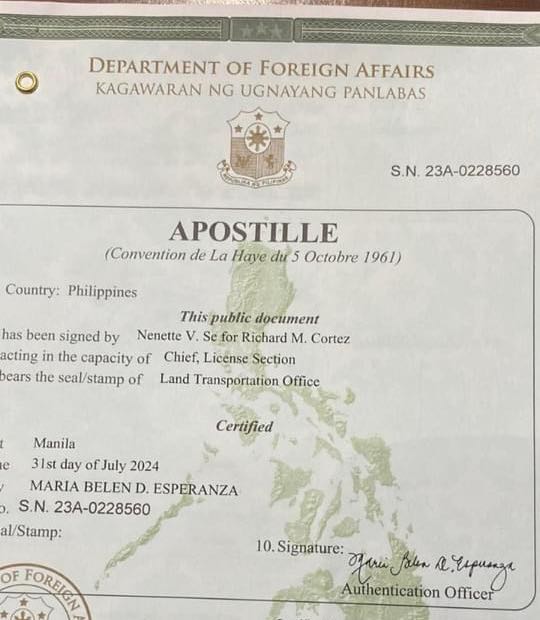
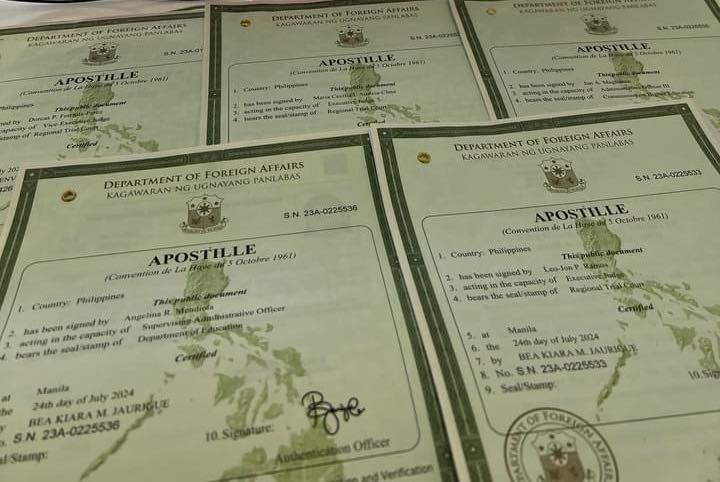
Can I include my adopted foreign child as an SRRV dependent? Yes, provided the adoption is legally recognized in both the Philippines and the child’s country of origin. The child must be under 21, unmarried, and financially dependent. Proper legal adoption papers must be authenticated or apostilled for submission.
Is it possible to transfer my SRRV membership from one category to another? Yes. Members may request to upgrade or downgrade their SRRV category (for example, from Smile to Classic) if their circumstances change. This involves PRA approval and adjustment of the deposit requirement to match the new program.
Can SRRV holders buy life insurance or invest in retirement plans locally? Yes. Many Philippine and international insurers welcome SRRV members as clients. Retirees can purchase life insurance, pension products, or investment-linked plans, offering both security and financial growth while residing in the Philippines.
Are there limits to how long dependents can stay in the Philippines under SRRV? No. As long as the principal retiree maintains an active SRRV, dependents may stay indefinitely. Their stay is tied to the principal’s status, and they enjoy the same entry and exit privileges without needing visa renewals.
How does the SRRV support retirees during emergencies or disasters? The PRA provides emergency assistance and coordination for SRRV members during natural disasters, health crises, or travel restrictions. The agency helps retirees access government aid, travel permits, and medical support when needed.
Can SRRV holders enroll in the Philippine national health insurance program (PhilHealth)?
Yes. SRRV holders are eligible to register with PhilHealth, the national health insurance system. Enrollment allows retirees to access discounted medical services and hospital care at both public and private facilities across the country.
Are there different SRRV deposit options depending on my retirement plan? Yes. The SRRV offers several programs: Classic, Courtesy, Human Touch, Expanded Courtesy, and Smile. Each program has different deposit requirements ranging from USD 1,500 to USD 50,000, depending on the applicant’s age, health condition, and background.
Can I transfer my SRRV deposit to another bank in the Philippines? Yes, you may transfer your SRRV deposit from one PRA-accredited bank to another. This process requires coordination through the PRA to ensure that the deposit remains under official monitoring and continues to satisfy visa requirements.
Do SRRV holders need to renew their visa every year? No, the SRRV visa itself is lifetime valid. However, holders must renew their PRA ID annually and pay a small maintenance fee (around USD 360 for the principal and dependents). This ensures continuous validity and access to all privileges.
What kind of housing can I buy using my SRRV deposit? Under the Classic SRRV, retirees may convert their USD 50,000 deposit (or USD 20,000 for some categories) into a real estate investment, such as a condominium or long-term lease on a house and lot. The property must be accredited and registered under the retiree’s name.
Can I bring my household items tax-free when retiring in the Philippines? Yes. SRRV members are allowed a one-time tax-free importation of personal goods worth up to USD 7,000. These items must be for personal use and declared through customs during importation. PRA will assist in obtaining the necessary approval.
Can my spouse work in the Philippines if they are my SRRV dependent? Yes. While dependents are not automatically granted work rights, they may apply for an Alien Employment Permit (AEP) or Special Work Permit through the Department of Labor and Employment (DOLE) if they wish to work legally in the Philippines.
What are the medical requirements for SRRV application? Applicants must submit a Medical Clearance Certificate (Form 11) from a licensed physician, confirming they are in good health and free from contagious diseases. Foreign medical certificates must be authenticated or apostilled before submission.
Can I travel abroad and return anytime with an SRRV? Yes. The SRRV provides multiple-entry privileges, allowing holders to travel internationally and re-enter the Philippines without reapplying for a visa. There’s no limit on the duration of time spent abroad, but annual PRA reporting is still required.
How secure is my SRRV deposit in the Philippines? All SRRV deposits are held in PRA-accredited banks, typically government or reputable commercial institutions. These funds are in the retiree’s name and cannot be accessed without the retiree’s written authorization or in accordance with PRA procedures, ensuring high-level security.
Can an SRRV holder open a Philippine bank account easily?
Yes. SRRV holders can open savings or checking accounts in both local and international banks operating in the Philippines. Your SRRV ID, passport, and proof of local address are sufficient for most banks. Some institutions even offer priority services for SRRV members due to their verified residency status.
Can SRRV retirees buy property in the Philippines? Foreign retirees with SRRV can own condominium units in their name and lease land for up to 50 years, renewable for another 25 years. While direct land ownership is restricted for foreigners, many choose to invest in condos or long-term lease arrangements for houses and lots.
What is the SRRV Courtesy option? The SRRV Courtesy is designed for former Filipino citizens or retired military officers aged 50 and above. It requires only a USD 1,500 deposit, which is much lower than other SRRV categories. This program is popular among Balikbayans who wish to retire permanently in the Philippines.
Does the SRRV visa ever expire? No. The SRRV is a lifetime visa, meaning it does not expire as long as the retiree maintains membership with the Philippine Retirement Authority (PRA) and renews their ID annually. You are not required to leave the country or reapply after a fixed number of years.
Can SRRV holders include adopted children as dependents? Yes, legally adopted children can be included as dependents, provided the adoption is recognized by Philippine or international law and properly documented. The child must still meet the basic requirements — under 21 years old, unmarried, and dependent on the retiree.
What are the main benefits of having an SRRV? SRRV holders enjoy multiple-entry, indefinite stay, exemption from exit clearances, travel taxes, and customs duties on personal items (up to USD 7,000). They also receive assistance from PRA in dealing with government transactions and may import household goods tax-free.
Is the SRRV visa recognized by airlines and immigration worldwide? Yes. The SRRV visa is issued under the Philippine Bureau of Immigration and officially recognized by international airlines. When entering the Philippines, you simply present your passport and SRRV ID, which act as proof of your permanent resident status.
Can an SRRV holder invest in the Philippine stock market? Yes. SRRV holders are classified as resident aliens, making them eligible to open stock trading accounts with licensed Philippine brokerage firms. This allows them to invest in local companies, mutual funds, and bonds just like Filipino citizens.
What happens if an SRRV holder passes away? In the event of the retiree’s death, the SRRV deposit and benefits are transferred to the legal heirs or dependents after proper documentation and PRA clearance. The family can choose to continue the SRRV or close the account and repatriate the funds.
Can an SRRV holder convert to Filipino citizenship later? While the SRRV does not automatically lead to citizenship, it can serve as a long-term residency pathway. After several years of permanent residence, you may apply for naturalization, subject to standard legal and residency requirements.
Can SRRV holders buy and register vehicles in their own name?
Yes. SRRV holders are considered permanent residents and are legally allowed to purchase, own, and register vehicles in their name with the Land Transportation Office (LTO). The SRRV ID and ACR-I card serve as valid proof of residence when processing car ownership documents and insurance.
Can the SRRV deposit be withdrawn if I decide not to stay in the Philippines? Yes. If you decide to cancel your SRRV and permanently leave the Philippines, you can withdraw your time deposit after completing the visa cancellation process with the PRA. This includes surrendering your SRRV ID and obtaining clearance from all relevant agencies. The release typically takes a few weeks.
Do SRRV holders have to pay income tax in the Philippines? Generally, foreign retirees with income sourced outside the Philippines are not taxed locally. However, if you earn income from Philippine sources—such as local employment, business, or property rentals—you may be subject to Philippine tax laws. The SRRV itself does not impose any additional tax obligations.
Is there an age limit for dependents under the SRRV? Yes. Dependents such as children must be under 21 years old, unmarried, and financially dependent on the principal retiree. Spouses of any age may also be included as dependents. Once a child exceeds 21, they must apply for their own visa or obtain a student visa if studying in the Philippines.
Can SRRV holders live anywhere in the Philippines? Absolutely. SRRV holders can freely reside in any city or province across the country, whether in Metro Manila, Cebu, Davao, or other islands. There are no location restrictions. Many retirees prefer coastal or suburban areas such as Tagaytay, Subic, or Bohol for a quieter lifestyle.
Does the SRRV grant the right to work or start a business? Yes, but with some conditions. SRRV holders can apply for a Special Work Permit or Alien Employment Permit if they wish to work or engage in business. They may also establish or invest in a local company, provided it complies with Philippine foreign ownership laws.
Can I apply for an SRRV if I already have a long-term visa in the Philippines? Yes. You can convert your existing visa to an SRRV without leaving the country, provided your current visa is valid. The PRA will assist in the visa conversion process, ensuring that your residency status remains uninterrupted.
What happens if my passport expires while holding an SRRV? When your passport expires, you must renew it at your embassy or consulate. After renewal, the new passport must be updated with the PRA and Bureau of Immigration so your SRRV and ACR information can be reattached or reissued under the new passport number.
Can I use my SRRV ID to travel in and out of the Philippines freely? Yes. The SRRV grants multiple-entry and indefinite-stay privileges, allowing you to enter and exit the Philippines without applying for new visas or extensions. However, ensure your passport remains valid for at least six months before travel.
How long does it take to process an SRRV application through 998VISA? When handled by 998VISA, the average processing time is about 3–4 weeks, depending on document completeness and PRA queue time. Their team assists clients in completing all requirements efficiently, minimizing delays and ensuring proper coordination with accredited banks and government offices.
★ Can retirees under the SRRV program drive or own a car in the Philippines? Yes, SRRV holders can own, register, and drive vehicles in the Philippines. You can use your foreign driver’s license for up to 90 days after arrival, after which it can be converted to a local Philippine driver’s license at the Land Transportation Office (LTO).
★ Can I switch from another visa type to SRRV without leaving the Philippines? Yes, tourists or residents holding other visa types can convert to SRRV within the country. You simply need to comply with all SRRV requirements, including the time deposit, medical certificate, and police clearance, without the need to exit the Philippines.
★ Are SRRV visa holders allowed to buy insurance locally? Yes, SRRV holders can purchase local health, travel, or life insurance from Philippine providers. Many retirees choose local health coverage because it’s affordable and recognized by hospitals nationwide.
★ What are the most common reasons for SRRV application rejection? Applications are usually rejected due to incomplete documentation, inaccurate information, failed medical or police clearances, or insufficient proof of funds. Working with an accredited service provider ensures your application meets all requirements.
★ Can SRRV holders open a business bank account in the Philippines? Yes, SRRV residents may open business or personal bank accounts with local banks, provided they meet the bank’s KYC (Know Your Customer) requirements. Having an SRRV ID makes the account opening process smoother.
★ How is the SRRV deposit protected by the bank? The deposit is placed in a PRA-accredited government bank, such as Land Bank or DBP. It remains under your name, cannot be accessed by others, and is refundable when you cancel the visa properly through the PRA.
★ Can I include adopted children under my SRRV visa? Yes, adopted children can be included as dependents, provided legal adoption documents are presented and authenticated by the issuing country’s authorities or the Philippine embassy.
★ What kind of support does the Philippine Retirement Authority provide to SRRV holders? The PRA offers assistance with government transactions, immigration matters, and access to partner hospitals, banks, and real estate developers. They also issue special identification cards for convenience in travel and business dealings.
★ Is the SRRV visa valid for life? Yes, the SRRV visa is a lifetime visa as long as the holder maintains good standing with the PRA, pays the annual membership fee, and does not violate Philippine immigration or local laws.
★ Can I transfer my SRRV visa to another person? No, the SRRV visa is non-transferable. It is personally issued to the retiree and their registered dependents. However, dependents may apply for their own SRRV visas if they meet the eligibility requirements.
What are the medical requirements for applying for the Philippine SRRV visa? Applicants must submit a medical certificate showing they are physically and mentally fit to reside in the Philippines. This can be issued by a licensed physician in your home country and later validated by a local doctor accredited by the Philippine Retirement Authority after your arrival.
★ Can SRRV holders travel in and out of the Philippines freely? Yes, SRRV holders enjoy multiple-entry privileges. You can leave and re-enter the Philippines anytime without needing to apply for re-entry permits or new visas, making travel very convenient for retirees who often visit other countries.
★ Do I need a local bank account to apply for the SRRV? You may open a Philippine bank account after arriving, but the SRRV time deposit must be made in an authorized PRA-accredited bank, such as the Development Bank of the Philippines (DBP) or Land Bank. Regular bank accounts are optional but useful for daily expenses.
★ What happens if my dependent turns 21 years old? Once a dependent reaches 21 years old, they are no longer eligible to remain under the principal retiree’s SRRV visa. They must apply for their own SRRV visa or another appropriate visa type to stay legally in the Philippines.
★ Are SRRV holders required to report annually to the immigration office? SRRV holders do not need to do annual immigration reports like other foreign residents. Instead, they only pay an annual PRA membership fee to maintain their SRRV status, which also covers dependents.
★ Can I apply for the SRRV if I have a criminal record? Applicants must provide a police clearance showing no criminal record from their country of residence. Those with past minor offenses may still apply but are subject to PRA evaluation and possible disqualification depending on the case.
★ Can I transfer my SRRV deposit to another bank? Yes, it is possible to transfer your time deposit to another PRA-accredited bank, but it requires prior authorization from the PRA. The transfer must be properly documented to ensure your visa status remains valid.
★ What is the SRRV Human Touch program? The SRRV Human Touch is designed for retirees 50 years old and above who require medical care. Applicants must have at least a USD 10,000 time deposit, a monthly pension of USD 1,500, and proof of ongoing medical treatment or care.
★ Is the SRRV deposit refundable if I decide to cancel my visa? Yes, the deposit is fully refundable when you voluntarily cancel your SRRV visa, provided you have no pending obligations or violations. The refund process takes a few weeks after official clearance from the PRA.
★ Can SRRV holders enroll their children in Philippine schools? Yes, SRRV dependents are eligible to study in the Philippines without needing a separate student visa. Many SRRV families take advantage of the country’s English-based education system for their children’s schooling.
Can I include my domestic helper or caregiver under my Philippine SRRV visa?
Answer: Under the SRRV program, only legal dependents such as a spouse and unmarried children below 21 years old can be included. Domestic helpers or caregivers cannot be granted SRRV privileges. However, once you are a resident, you may legally hire a local caregiver under standard employment regulations.
Does the SRRV visa allow me to invest in a business in the Philippines? Answer: Yes, SRRV holders may invest or engage in business activities in the Philippines, provided they comply with local business registration and taxation requirements. Many retirees open small businesses, invest in real estate, or participate in local enterprises under proper registration with the SEC or DTI.
How long does it take to get the SRRV visa approved? Answer: The approval time for the SRRV visa typically ranges from 3 to 6 weeks after all required documents and the time deposit are submitted. Processing speed may vary depending on the volume of applications and the completeness of your paperwork.
Can I use my SRRV deposit to buy property immediately after approval? Answer: Yes, SRRV Classic members can use part of their time deposit for property purchase, provided the property is condominium-type and registered under the retiree’s name. The conversion of the deposit into property investment must be approved by the PRA.
What type of health insurance is required for the SRRV visa? Answer: Applicants must provide valid medical insurance that covers hospitalization and treatment in the Philippines. It can be local or international, and retirees over 60 years old are encouraged to get coverage from local providers for easier hospital acceptance.
Is there an age limit for the SRRV visa application? Answer: The minimum age for SRRV application is 35 years old under the “SRRV Classic” and “SRRV Human Touch” programs. There is no upper age limit, making it ideal for retirees of all ages who meet the financial and health requirements.
What happens if my passport expires after getting my SRRV visa? Answer: You must renew your passport at your embassy or consulate. Once renewed, you should visit the PRA office to have your SRRV visa re-stamped on your new passport. Your visa status remains valid during this process.
Can SRRV visa holders buy land in the Philippines? Answer: Foreigners, including SRRV holders, cannot directly own land in the Philippines. However, they may legally own condominium units or lease land for up to 50 years, renewable for another 25 years.
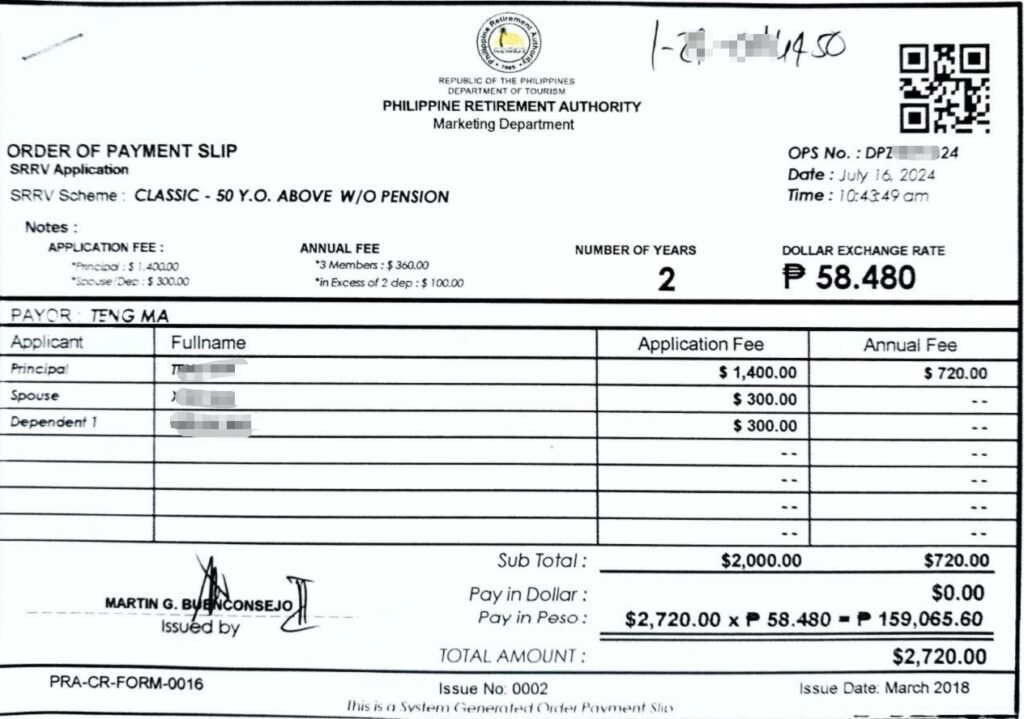
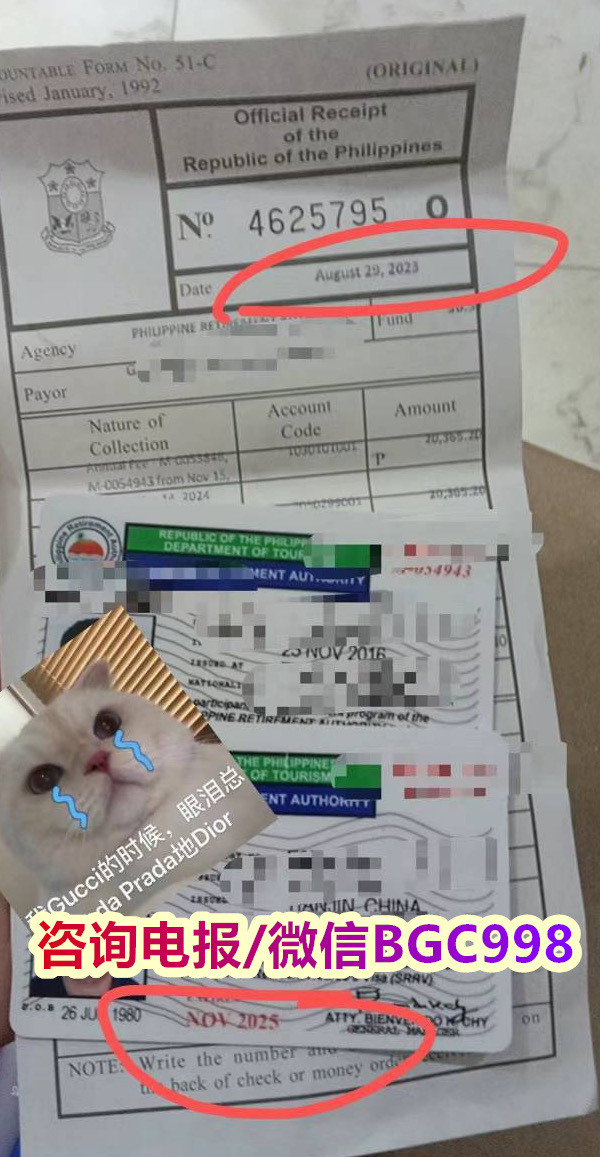
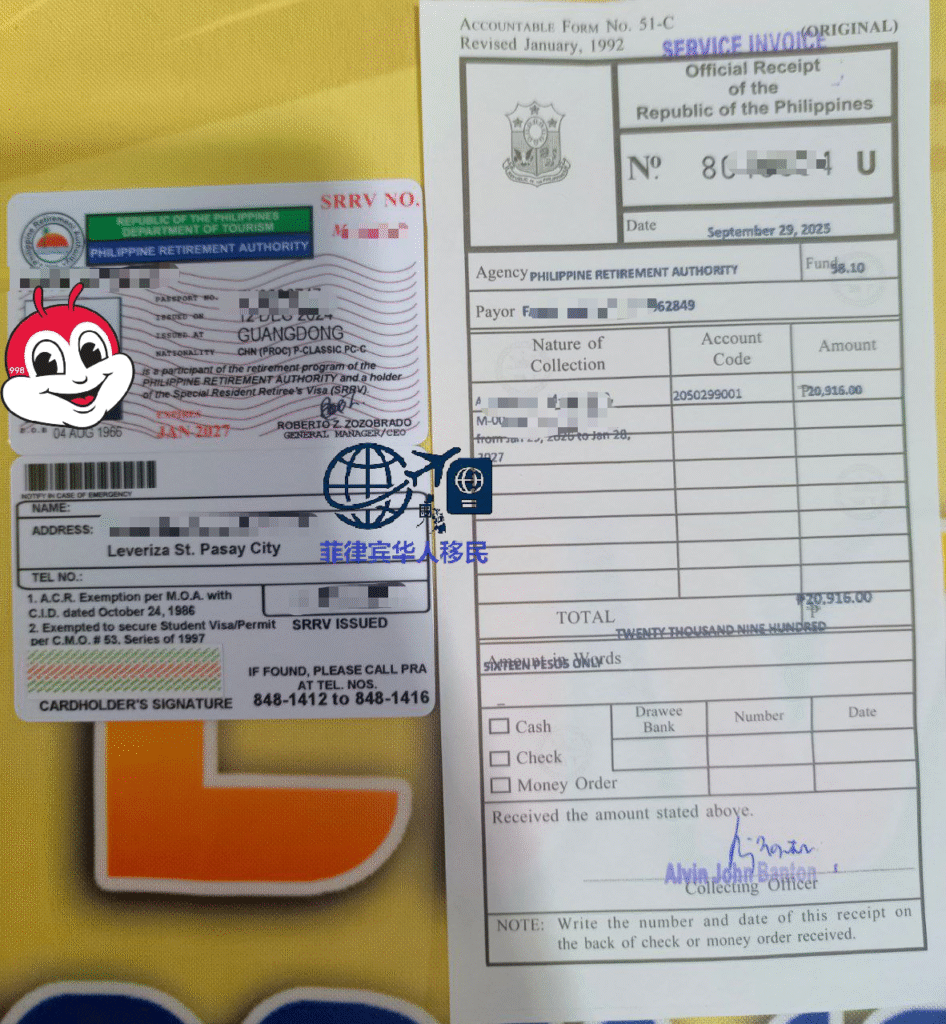
Is there an annual renewal fee for SRRV visa holders? Answer: Yes. SRRV holders pay an annual PRA membership fee of USD 360 for the principal applicant and two dependents. Additional dependents are charged USD 100 each per year. This fee helps maintain your visa’s active status.
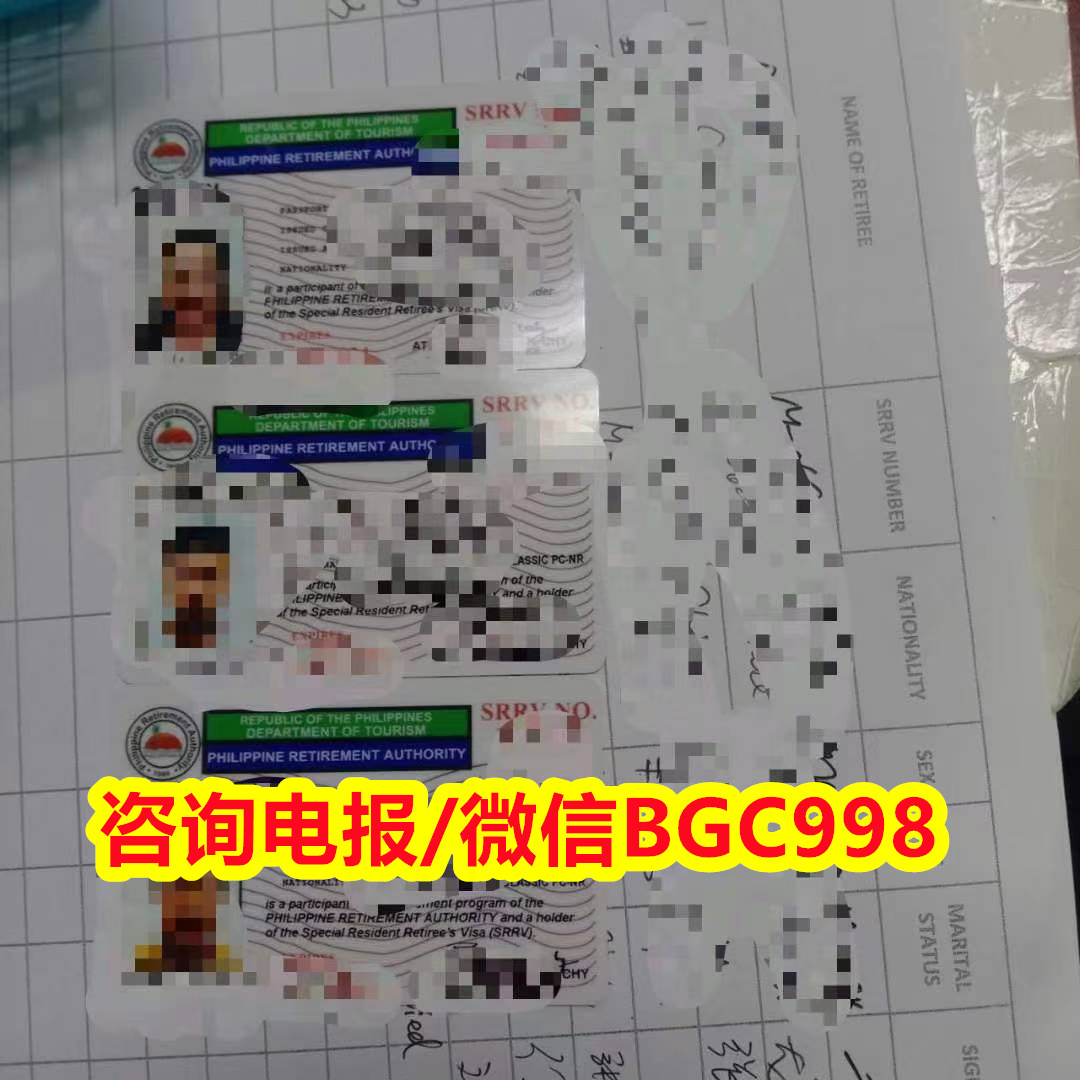
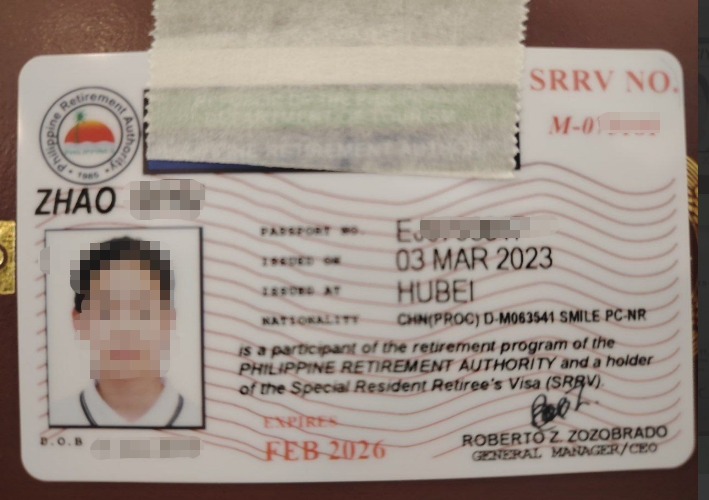
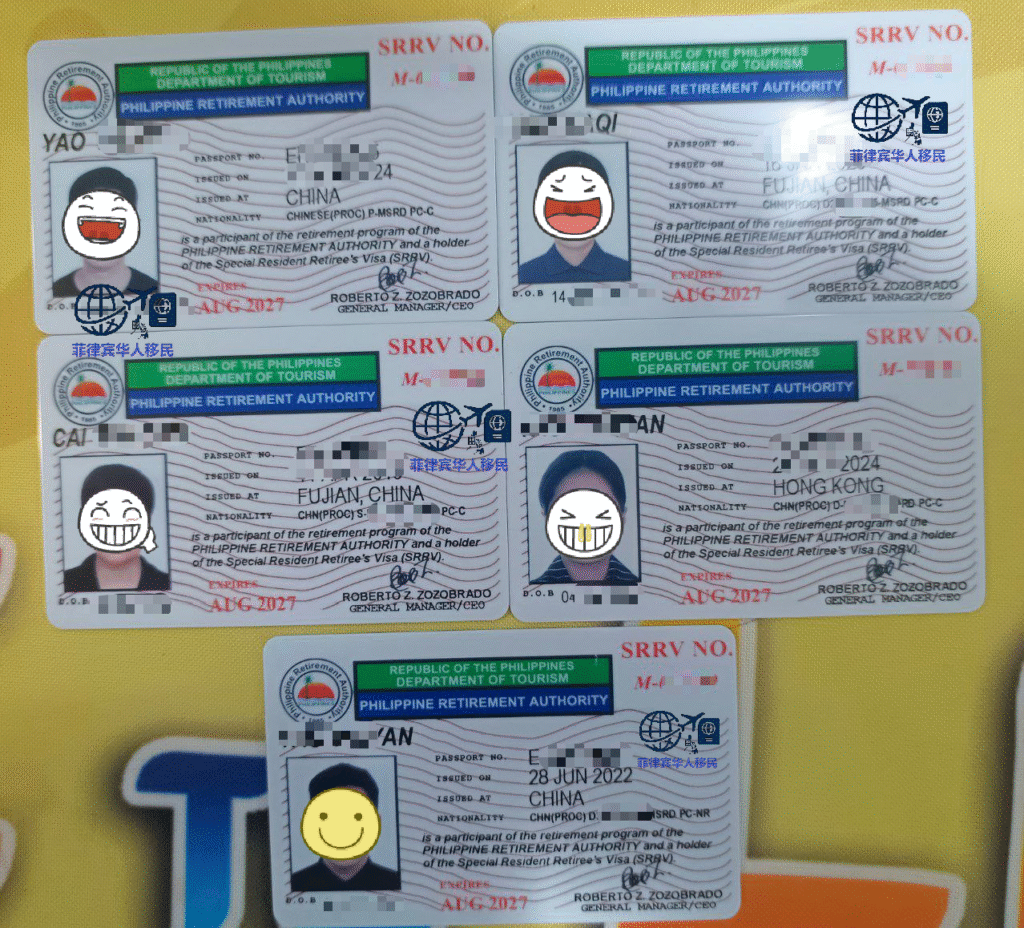
What should I do if I lose my SRRV ID card? Answer: You must report the loss immediately to the PRA and file an affidavit of loss. A replacement card can be issued after paying a small processing fee. It’s important to keep a copy of your SRRV ID for verification purposes during the replacement process.